How an Air Conditioning Contractor Can Improve Indoor Comfort
A good air conditioning contractor does more than make cold air appear from a metal box outside your home. That is the party trick, not the profession.
Real indoor comfort is quieter, subtler, and far more interesting. It is the difference between a living room that feels pleasant at 75 degrees and one that feels like a damp basement wearing a cardigan. It is the upstairs bedroom that no longer turns into a rotisserie after sunset. It is the absence of that mysterious hallway breeze that makes guests ask whether a window is open. It is steady humidity, clean airflow, balanced rooms, and equipment that does not sound like it is trying to launch itself into orbit.
The thermostat tells only part of the story. Homeowners often call for air conditioning repair because the house is “not cooling,” but once you start digging, the problem may be airflow, duct leakage, poor insulation, a dirty evaporator coil, an oversized system, a failing blower motor, a clogged drain, or a thermostat placed where the afternoon sun can bully it into bad decisions. A seasoned air conditioning contractor looks at the whole comfort puzzle, not just the blinking number on the wall.
And yes, sometimes the fix is simple. I have seen homes transformed by replacing a filter that looked like it had been used to strain a swamp. Other times, comfort takes a sharper eye and a bit of math. The trick is knowing which is which.
Comfort is not just temperature
Most people talk about comfort in degrees. “Set it to 72.” “Bump it down to 70.” “Why does it still feel sticky in here at 71?” That last question is where the plot thickens.
Air temperature matters, of course, but indoor comfort depends on several factors working together. Humidity is one of the biggest. At 50 percent relative humidity, 74 degrees can feel crisp and pleasant. At 70 percent humidity, that same 74 degrees can feel like the waiting room of a tropical fish store. The air conditioning system is supposed to remove both heat and moisture, but it can only do that when it runs long enough, moves the right amount of air, and has clean coils.
Then there is air movement. Too little airflow creates hot spots and stagnant rooms. Too much airflow can feel drafty, noisy, and irritating, especially if supply registers are poorly placed. Radiant heat matters too. A west-facing room with large windows can feel warmer than the thermostat reading because the surfaces in the room are warm. Your body feels that heat even if the air temperature seems reasonable.
A competent air conditioning contractor evaluates all of this. The goal is not just to hit a number. The goal is for your home to feel calm, even, and predictable, without needing to wage daily war against the thermostat.
The first thing a good contractor checks: airflow
Air conditioning systems are not magic. They are heat-moving machines, and they depend on airflow the way a car depends on oil. Restrict the airflow, and everything starts misbehaving.
Poor airflow can come from a dirty filter, undersized return ducts, crushed flexible ductwork, blocked registers, a dirty blower wheel, or an evaporator coil packed with dust. Sometimes homeowners unknowingly make the problem worse by closing vents in unused rooms. That sounds logical, like putting a lid on leftovers. Unfortunately, many residential duct systems do not respond gracefully. Closing too many vents can increase static pressure, reduce system efficiency, and strain the blower motor.
Static pressure is one of those unglamorous measurements that separates guesswork from diagnosis. Think of it as the blood pressure of the duct system. If it is too high, the system is working harder than it should. A contractor who measures static pressure is not being fussy. They are checking whether the system can actually breathe.
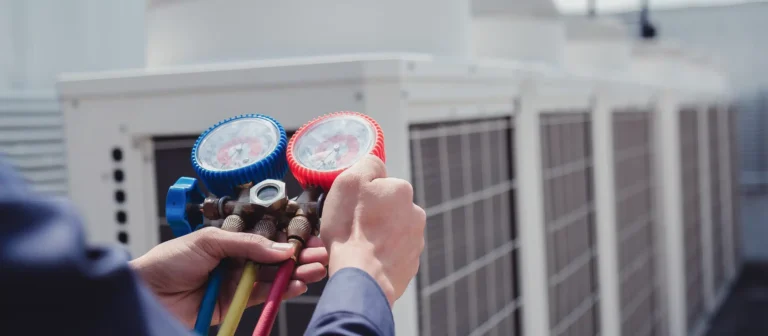
I once saw a fairly new air conditioner blamed for poor cooling in a single-story ranch home. The equipment was fine. The return duct was the problem. It was undersized by enough to make the blower sound like it was inhaling through a cocktail straw. The homeowner had already paid for one unnecessary capacitor replacement and was considering a new system. A return upgrade solved the comfort issue, lowered the noise, and probably saved the compressor from a shortened life.
Airflow is not glamorous, but neither is flossing. Both prevent expensive misery.
Sizing matters, and bigger is not better
A common myth refuses to die: a larger air conditioner will cool better. It feels sensible at first. Bigger truck, more hauling. Bigger coffee, more survival. Bigger air conditioner, more comfort.
Except homes do not work that way.
An oversized AC system cools the air quickly but often shuts off before it removes enough humidity. That leaves the house cold and clammy, a uniquely unpleasant combination. Short cycling also increases wear on components, reduces efficiency, and may leave rooms uneven because the system never runs long enough to mix air properly.
An undersized system has a different personality. It runs constantly, struggles on hot afternoons, and may never satisfy the thermostat. In extreme weather, some runtime is normal. On design-temperature days, a properly sized system may run for long stretches. That does not automatically mean it is failing. The question is whether it maintains comfort without excessive humidity, noise, or energy waste.
Proper sizing should involve a load calculation, often called a Manual J calculation in the trade. This considers square footage, insulation, window type, orientation, air leakage, ceiling height, and other factors. Guessing by square footage alone is risky. Two homes with the same floor area can have very different cooling loads if one has modern windows and attic insulation while the other has single-pane windows and an attic hot enough to bake bread.
This is where an experienced air conditioning contractor earns their keep. They know when a homeowner needs air conditioning repair, when ductwork is the villain, and when the existing equipment was sized by someone using optimism and a tape measure.
Humidity control: the quiet luxury
When humidity is under control, nobody mentions it. When it is not, everyone complains, usually while sticking to the furniture.
Air conditioners remove moisture as warm indoor air passes over the cold evaporator coil. Moisture condenses on the coil and drains away. That is the basic idea, but the details matter. If airflow is too high, the system may not remove enough moisture. If the system is oversized, it may not run long enough. If the coil is dirty, heat transfer suffers. If the condensate drain is clogged, water may back up and cause damage or trigger a safety switch.
Humidity problems are especially common in shoulder seasons, when the outdoor temperature is not brutally hot but the air is damp. The AC may not run enough to dehumidify well. In those cases, a contractor may recommend blower adjustments, thermostat settings that prioritize dehumidification, duct sealing, or in some homes, a dedicated dehumidifier.
A good target for many homes is roughly 40 to 55 percent relative humidity, though comfort varies by climate, building style, and personal preference. Go too dry and people complain about scratchy throats and static shocks. Go too humid and you invite musty odors, swollen doors, and microbial growth in places you would rather not think about.
Comfort lives in the middle.
Air conditioning maintenance prevents the boring disasters
Nobody throws a dinner party because their condensate drain was cleared on schedule. Preventive work is rarely dramatic. That is the point.
Air conditioning maintenance helps the system keep its original capacity, efficiency, and reliability. Dirt is the main enemy. A thin layer of grime on coils can reduce heat transfer. A dirty blower wheel can move less air while using more energy. Loose electrical connections can overheat. Weak capacitors can leave motors struggling. Refrigerant issues, if present, can point to leaks that need proper diagnosis rather than a casual top-off.
An air conditioning tune-up should be more than a technician glancing at the unit and blessing it with a sticker. It should include meaningful inspection, cleaning where appropriate, testing, and measurements. The exact work depends on the equipment and condition, but the best visits leave you with a clearer picture of system health.
A homeowner can help too. Replace or clean filters on schedule, keep outdoor units clear of leaves and cottonwood fluff, avoid blocking return grilles with furniture, and pay attention when the system suddenly sounds different. Machines gossip before they fail. A new buzz, rattle, hum, or squeal is often a confession.
What a proper comfort assessment looks like
A strong contractor does not walk in, stare at the condenser, and immediately declare the entire system guilty. They ask questions. Which rooms are uncomfortable? What time of day? Has anything changed, such as new windows, attic insulation, remodeling, or a baby monitor plugged into the outlet where the thermostat used to be? Does the problem happen during cooling only, or also during heating?
From there, the investigation should move through the system. Thermostat operation, filter condition, blower performance, refrigerant pressures where appropriate, coil condition, temperature split, electrical readings, condensate drainage, duct condition, and register airflow all tell part of the story.
A simple homeowner-friendly snapshot may include these checks:
- Temperature difference between return air and supply air during steady operation
- Static pressure readings to see whether ducts are too restrictive
- Visual inspection of ducts, coils, blower components, and drain lines
- Humidity readings in problem rooms and main living areas
- Thermostat location, programming, and sensor accuracy
That list is short, but each item can uncover a surprising amount. For example, a reasonable temperature split at the equipment does not guarantee comfort if half the supply air leaks into the attic. Good numbers at the unit can still produce bad results in the rooms.
Ductwork: the hidden comfort thief
Ducts are often treated like background furniture. They are installed, covered up, and ignored for years. Meanwhile, they can quietly waste comfort and money every single day.
Leaky ducts in attics, crawl spaces, or garages can dump conditioned air outside the living space. Return leaks can pull in dusty, humid, or very hot air from places you do not want involved in your breathing program. Poorly routed flexible duct can sag, kink, or collapse. Long duct runs with too many bends may starve distant rooms of airflow.
One of the most common complaints is the hot upstairs bedroom or the bonus room that feels abandoned by civilization. Sometimes the system lacks zoning. Sometimes the duct serving that room is undersized. Sometimes the room has extra heat gain from roof exposure and inadequate insulation. Sometimes the supply register is fine, but there is no return path when the door is closed. Air cannot enter a room freely if it has no way to leave. It is not being stubborn. It is physics.
Balancing dampers can help when the duct system is capable but poorly adjusted. Duct sealing can improve both comfort and efficiency. In more stubborn cases, adding returns, resizing runs, improving insulation, or installing a properly designed zoning system may be needed.
The least satisfying answer is “it depends,” but with ductwork, it often does. The most expensive fix is not always the best one. The right fix addresses the actual restriction, leak, or design flaw.
Filtration and indoor air quality without the sales circus
Indoor air quality can become a carnival of gadgets if nobody keeps the conversation grounded. Filters, UV lights, electronic air cleaners, media cabinets, ventilation systems, humidity control, and duct cleaning all have their place in the right situation. They are not interchangeable.
A filter’s first job is to protect the equipment. Better filtration can also reduce airborne particles, but only if the system can handle the added resistance. Some high-MERV filters are excellent in properly designed filter cabinets. Jammed into a thin one-inch slot on a restrictive system, they may choke airflow. That can hurt comfort and equipment life.
This is where the air conditioning contractor should coordinate with the realities of the house. A family with allergies, pets, and a dusty return chase may benefit from upgraded filtration and duct sealing. A home with stale air and strong cooking odors might need ventilation improvements. A house with persistent musty smells might need humidity control, drainage correction, or investigation for water intrusion. Spraying fragrance into the supply ducts is not indoor air quality. It is air freshener with ambition.
If your home also has plumbing issues, those can affect comfort in indirect but very real ways. A slow hidden leak can raise humidity and create odors. Plumbing leak repair may do more for indoor comfort than another thermostat adjustment. A clogged condensate drain from the AC can mimic plumbing trouble, while an actual drain cleaning or rooter service issue can create smells that homeowners mistakenly blame on vents. Homes do not respect trade boundaries. Water, air, heat, and electricity all mingle like relatives at a wedding.
The thermostat is not the boss you think it is
People give thermostats too much credit and too much blame. A thermostat is a control, not a miracle worker. If it is poorly located, badly programmed, or mismatched with the equipment, it can sabotage comfort.
A thermostat near a sunny window, kitchen, supply register, or exterior door may read conditions that do not represent the rest of the house. Smart thermostats can help with scheduling and remote sensors, but they still need good setup. Some homes benefit from averaging sensors across multiple rooms. Others need zoning because one thermostat cannot fairly represent two floors with different heat gain patterns.
Setbacks deserve a practical word too. Raising the temperature while away can save energy, but aggressive setbacks in humid climates may allow moisture to build. Then the system has to work hard later, and the house may feel clammy even after the temperature drops. A moderate setback often works better than treating the thermostat like a light switch.
For heat pumps, thermostat setup becomes even more important. Heat pump installation can improve efficiency and comfort when designed correctly, but poor control settings may bring on auxiliary heat too often or create temperature swings. The best contractors understand the equipment sequence, not just the wiring colors.
Repair or replace: the comfort calculation
Air conditioning repair makes sense when the system is relatively young, the failure is isolated, and the equipment has been performing well otherwise. A capacitor, contactor, blower motor, refrigerant leak repair, or control issue may be worth addressing. But repair becomes less attractive when the system is old, inefficient, uses obsolete refrigerant, has repeated failures, or never kept the home comfortable even on its best day.
Age is only one factor. A 10-year-old system in a harsh coastal environment may be in rougher shape than a 16-year-old system in a mild climate with diligent maintenance. Installation quality also matters enormously. A premium Water softener installation Service Lion Plumbing Heating Air Electric unit installed poorly can perform like a bargain unit with a grudge.
Replacement opens the door to correcting old comfort problems, but only if the contractor designs the job properly. Swapping boxes without addressing duct problems, airflow, sizing, and humidity is like buying new tires for a car with bad alignment. It may help, but not as much as you hoped.
When comparing options, homeowners should ask about comfort outcomes, not just efficiency ratings. A higher SEER2 rating is nice, but variable-speed or two-stage equipment may improve comfort more noticeably by running longer at lower capacity, reducing temperature swings, and improving humidity removal. That does not mean everyone needs the fanciest system. It means equipment selection should match the home, climate, budget, and comfort complaints.
The comfort benefits of variable-speed systems
Older single-stage systems are either on or off. Full blast or nothing. That can work, but it is not always elegant. Variable-speed and inverter-driven systems can adjust output to match demand more closely. Instead of roaring to life, overcooling the hallway, and shutting down, they can run longer and quieter at lower speeds.
Longer runtimes can improve filtration, air mixing, and humidity control. Lower airflow can reduce noise. More stable temperatures make a home feel less like it is cycling between “meat locker” and “why is my shirt damp?”
There are trade-offs. Variable-speed systems cost more, require proper installation, and may involve more expensive parts. They also need contractors who know how to set them up correctly. If the duct system is severely restrictive, even sophisticated equipment cannot perform miracles. It may try, but it will not be happy about it.
For the right home, though, the comfort improvement is dramatic. People often notice the quiet first. Then they notice they have stopped adjusting the thermostat six times a day, which is the domestic equivalent of a peace treaty.
Heating matters to cooling comfort too
An air conditioning contractor often overlaps with a heating contractor because comfort does not take summers off and then reinvent itself in winter. The same ducts that deliver cool air in July may deliver warm air in January. If the ducts are leaky or unbalanced, both seasons suffer.

A furnace repair service call can reveal airflow problems that also affect AC performance. A dirty blower wheel, weak motor, restrictive filter, or undersized return does not care whether the thermostat is calling for heat or cooling. It causes trouble year-round.
Homes with gas furnaces also require attention to combustion safety, venting, and gas piping. A gas installation service should be handled by qualified professionals, not by someone whose main credential is owning two adjustable wrenches and a confident expression. Safety issues are not comfort upgrades, but they are part of responsible mechanical work.
Heat pumps add another layer. They provide both heating and cooling, and modern cold-climate models can perform impressively in places where older heat pumps once struggled. Still, successful heat pump installation depends on sizing, duct design, controls, and backup heat strategy. Comfort comes from the system design, not just the badge on the cabinet.
Electrical details can make or break comfort
Air conditioning equipment depends on clean, reliable electrical work. Loose connections, weak breakers, undersized circuits, failing disconnects, and voltage issues can cause intermittent problems that look like equipment failure. An electrician may be needed when the issue goes beyond the HVAC cabinet.
This matters during upgrades too. New equipment may have different electrical requirements. Adding a heat pump, air handler, smart thermostat, zoning system, indoor air quality device, or dedicated dehumidifier can involve wiring changes. Done well, you never think about it again. Done badly, you get nuisance trips, damaged components, or the exciting smell of overheated insulation, which is not a recommended home fragrance.
Lighting can also affect comfort more than people expect. A lighting contractor who replaces old recessed incandescent fixtures with efficient LEDs can reduce heat gain in certain rooms. It is not the same as resizing an AC system, but in a tight room with lots of ceiling cans, lighting changes can lower the cooling load and make the space feel better. Comfort is often won by several small improvements, not one grand gesture.
Plumbing, drains, and the strange ways they affect indoor comfort
It may sound odd to bring a plumber into a discussion about air conditioning, but homes are interconnected systems. Water problems create comfort problems. Humidity, odors, mold risk, and equipment damage often start with drainage or plumbing issues.
A condensate drain blockage can shut down an AC system or send water where it does not belong. In some homes, the condensate line ties into plumbing in ways that require careful attention to traps and venting. A sewer odor near the air handler may not be an HVAC issue at all. It might involve dry traps, poor drain connections, or septic system service concerns.
Water heater repair and water heater installation can also touch comfort indirectly. A leaking water heater in a closet or garage can raise humidity, damage nearby ductwork, or create musty odors. Plumbing repiping may be necessary in older homes where chronic leaks are affecting walls, floors, or crawl spaces. Water softener installation can protect plumbing fixtures and water heaters in hard-water areas, though it is not a cure-all and should be matched to actual water conditions.
Then there is drain cleaning, rooter service, and hydrojetting. Nobody associates those with cozy indoor air until a backed-up line makes the whole house smell like regret. If odors are being pulled into return leaks or mechanical spaces, the AC can distribute the evidence with impressive efficiency. Again, the house does not care which trade name is printed on the invoice.
Companies that cover multiple trades, such as Service Lion Plumbing Heating Air Electric, can be useful in these situations because the technician does not have to pretend the problem stops at the edge of one license category. A comfort complaint may begin as an AC call and end with duct sealing, electrical correction, or plumbing leak repair. The best diagnosis follows the evidence.
When rooms refuse to cooperate
Every contractor knows the problem room. It has a name in the household. “The hot room.” “The cold room.” “The room nobody sleeps in unless they lost a bet.”
Problem rooms usually have a reason. They may sit over a garage, face west, have too much glass, lack return airflow, or rely on a duct run that resembles a dryer hose after a wrestling match. Sometimes a previous remodel added square footage without enough supply air. Sometimes a finished attic was connected to the existing system with wishful thinking.
Fixing a problem room starts with measuring, not guessing. A contractor may compare supply airflow, room temperature, surface temperature, and return pathways. They may inspect attic insulation and duct condition. If the room has a large window load, window treatments or glass improvements might help. If the duct is undersized, balancing alone may not be enough. If the room is remote from the main system, a ductless mini-split may be the cleanest solution.
The worst solution is often the most tempting: lowering the thermostat until the problem room becomes tolerable. That usually turns the rest of the house into a walk-in cooler and raises energy bills. It is not comfort. It is surrender.
What homeowners should notice before calling
You do not need to diagnose the system yourself. That is what professionals and their suspiciously heavy tool bags are for. But paying attention to symptoms helps the contractor get to the answer faster.
Useful clues include when the discomfort happens, which rooms are affected, whether airflow feels weak, whether the outdoor unit runs constantly or short cycles, whether humidity feels high, and whether the issue appeared suddenly or slowly. A sudden change often points to a failure or blockage. A long-standing pattern often points to design, ductwork, insulation, or sizing.
Before calling for air conditioning repair service, it is reasonable to check the thermostat settings, replace a filthy filter, make sure breakers are not tripped, and confirm that supply and return vents are not blocked. Do not open refrigerant lines, bypass safety switches, or repeatedly reset breakers. Breakers trip for reasons, and one of those reasons is “please stop doing that.”
Here is a short sanity check that will not void warranties or frighten the cat:
- Confirm the thermostat is set to cooling and the temperature setting is below room temperature
- Check the air filter and replace it if it is dirty
- Make sure the outdoor unit is clear of debris and has room to breathe
- Look for water around the indoor unit or a tripped condensate safety switch
- Note unusual noises, smells, ice buildup, or weak airflow before calling
That is enough. Beyond that, let someone with gauges, meters, training, and liability insurance take over.
The difference between a parts changer and a comfort professional
There is a huge difference between replacing failed parts and improving comfort. Both skills matter. If the capacitor is dead, someone has to replace it. But if the same system keeps eating capacitors because the motor is struggling against high static pressure, replacing parts without solving the root problem is just subscription-based frustration.
A comfort professional asks why. Why did the coil freeze? Why is the bedroom hot? Why is humidity high? Why does the system sound strained? Why does the new equipment perform no better than the old equipment? The answer is not always convenient, but it is usually cheaper than guessing three times.
Good contractors also communicate trade-offs. They explain when a repair is sensible and when replacement deserves consideration. They distinguish urgent safety issues from optional upgrades. They do not promise that a filter cabinet will cure every allergy or that a bigger unit will make the upstairs behave. They show measurements when possible and speak in plain language.
The best ones have a certain humility. Houses are strange. Additions, repairs, homeowner experiments, builder shortcuts, weather, pets, and time all leave fingerprints. A contractor who investigates carefully will outperform one who arrives already certain.
Comfort is designed, not wished into existence
Indoor comfort comes from alignment. The equipment must be properly sized. The duct system must move air without excessive restriction or leakage. The thermostat must read the home accurately. Humidity must be managed. Electrical components must operate safely. Drains must carry water away. Filters must protect the system without choking it. Heating and cooling must be treated as parts of one living system.
An air conditioning contractor can improve comfort by seeing the whole picture. Sometimes that means air conditioning maintenance and a coil cleaning. Sometimes it means duct sealing, adding a return, correcting airflow, or setting up a better thermostat strategy. Sometimes it means air conditioning repair, furnace repair service coordination, electrical upgrades, or even solving a plumbing problem that has been quietly turning the house into a humidity exhibit.
The reward is not just a lower thermostat reading. It is a home that feels right when you walk in. Quiet air. Even rooms. Manageable humidity. Fewer surprise breakdowns. Less fiddling with settings. No bedroom that requires diplomatic negotiations before bedtime.
Cold air is easy to notice. Comfort is what you stop noticing because everything finally works the way it should.
Name: Service Lion Plumbing Heating Air Electric
Address: 521 W Briardale Ave, Orange, CA 92865, United States
Phone: (657) 337-3622
Website: https://callservicelion.com/
Email: [email protected]
Hours:
Monday: Open 24 hours
Tuesday: Open 24 hours
Wednesday: Open 24 hours
Thursday: Open 24 hours
Friday: Open 24 hours
Saturday: Open 24 hours
Sunday: Open 24 hours
Open-location code: R48R+WV Orange, California, USA
Map/listing URL:
https://www.google.com/maps/search/?api=1&query=Google&query_place_id=ChIJQU4LBWHV3IARtnABtyykSA4
Google Map:
Socials:
https://www.facebook.com/ServiceLionCA/
https://www.youtube.com/channel/UCR_L35QzsRTxYZtX8PxJvPw
Local Service Information
Service Lion Plumbing Heating Air Electric provides plumbing, drain, heating, air conditioning, and electrical services from its Orange, California location.The company serves homeowners and properties throughout Orange and communities across Orange County and surrounding areas.
Available services include plumbing repairs, water heater work, drain and sewer services, heating and cooling service, electrical repairs, panels, lighting, outlets, and related home-system work.
Service is available for residential properties as well as light commercial needs described within the company's local service-area information.
The company's website emphasizes locally operated service, coordinated home-system support, and practical scheduling for plumbing, HVAC, and electrical needs.
The matching public business listing shows the Orange location as open 24 hours a day, seven days a week.
For service information or scheduling, call (657) 337-3622 or visit https://callservicelion.com/.
The public map listing identifies the business at 521 W Briardale Ave, Orange, CA 92865 and can be used for location and direction information.
Popular Questions About Service Lion Plumbing Heating Air Electric
What services does Service Lion Plumbing Heating Air Electric provide?
The company provides plumbing, drain and sewer, heating, air conditioning, and electrical services. Its published services include plumbing repair, water heaters, drain clearing, sewer work, HVAC repair and installation, electrical repairs, panels, circuit breakers, lighting, outlets, and related services.
Where is Service Lion Plumbing Heating Air Electric located?
The matching business location is 521 W Briardale Ave, Orange, CA 92865, United States.
What areas does Service Lion Plumbing Heating Air Electric serve?
The company serves Orange County and surrounding communities. Its published service-area information includes Orange, Anaheim, Brea, Yorba Linda, Fullerton, Huntington Beach, Newport Beach, Costa Mesa, Irvine, Lake Forest, and additional nearby cities.
Is Service Lion Plumbing Heating Air Electric open 24 hours?
The matching public business listing shows the location as open 24 hours on Monday through Sunday.
Does Service Lion Plumbing Heating Air Electric work on drains and sewer lines?
Yes. Published services include drain clearing, rooter service, camera inspection, hydro jetting, sewer line repair and installation, water line work, slab leak detection, and trenchless sewer line repair.
Does Service Lion Plumbing Heating Air Electric provide heating and air conditioning service?
Yes. Its published HVAC services include air conditioning repair and installation, heating service, furnace work, heat pumps, air ducts, indoor air quality assessments, and thermostat installation.
Does Service Lion Plumbing Heating Air Electric provide electrical service?
Yes. Published electrical services include repairs and installations, electrical panels, circuit breakers, safety inspections, lighting, outlets and switches, surge protection, generators, and EV charging equipment installation.
How can I contact Service Lion Plumbing Heating Air Electric?
Call (657) 337-3622.
Email: [email protected]
Website: https://callservicelion.com/
Facebook: https://www.facebook.com/ServiceLionCA/
Landmarks Near Orange, California
Old Towne Orange Historic District
A central historic district and useful geographic reference point for the Orange community.
Plaza Park
A well-known public gathering point in the center of Old Towne Orange.
Orange Public Library & History Center
A civic landmark serving residents near central Orange.
Hart Park
A major public park and recreation area south of central Orange.
Eisenhower Park
A public park serving neighborhoods in northern Orange.
Santiago Oaks Regional Park
A regional recreation and open-space landmark on the eastern side of Orange.
Irvine Regional Park
A large regional park and recognizable reference point east of the city.
Orange Park Acres
A distinctive residential community and service-area reference point in eastern Orange.
El Modena
An established Orange neighborhood that provides a practical local coverage reference.
Glassell Street
One of the city's principal north-south streets and a useful route through central Orange.
Lincoln Avenue
A major east-west roadway serving northern Orange and nearby communities.
State Route 55
A primary regional freeway connecting Orange with other parts of Orange County.